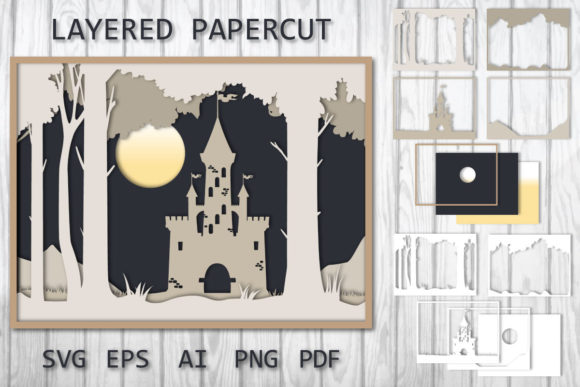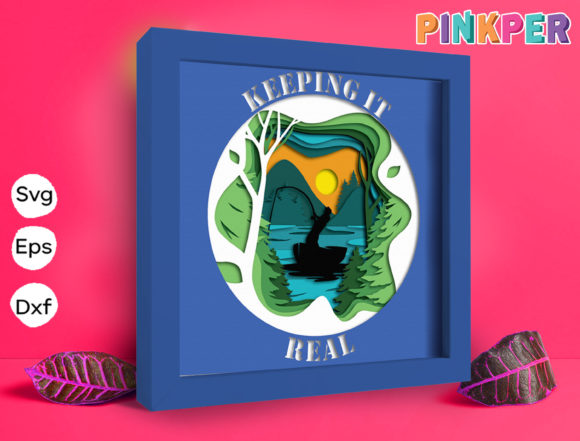
Fishing Man Papercut Light Box: 3D SVG for Shadow Boxes
As a brand designer and content marketer, my first step in any campaign is evaluating the visual assets that will carry the message. When I opened the files for the Fishing Man Papercut Light Box, the immediate impression was one of rustic charm mixed with modern dimensional depth. This isn't just a flat image; it is a layered graphic design asset designed to create atmosphere. For brands operating in the outdoor, lifestyle, or handmade sectors, this specific aesthetic triggers an emotional response of nostalgia and tranquility. It suggests a slower pace of life, which is a powerful narrative hook in today's fast-paced digital landscape.
Setting the Mood for Authentic Brand Storytelling
The mood created by this design is inherently warm and inviting. In terms of audience perception, the papercut style signals craftsmanship. It tells the viewer that the brand values detail and artistry. This makes the Fishing Man Papercut Light Box exceptionally suitable for casual branding, boutique product launches, and lifestyle content. It feels less like a corporate advertisement and more like an editorial feature in a high-end magazine. When used correctly, it elevates a simple promotion into a piece of art, fostering a stronger emotional connection between the consumer and the brand.
For small business owners and creative entrepreneurs, leveraging this type of creative design can differentiate your visuals from the sea of generic stock photography. The texture implied by the layers adds a tactile quality to digital screens, making the content feel more "real" and trustworthy. This is crucial for building audience trust, especially when selling physical goods or coaching services that rely on personal connection.
Integrating Layered Assets into Real Marketing Workflows
Let's frame this around a real-world scenario: a local outdoor gear shop launching a summer "Catch of the Day" sale, or a life coach promoting a "Reel in Your Goals" webinar. The Fishing Man Papercut Light Box serves as the hero graphic for these campaigns. Because the file formats typically include SVG for cutting machines and EPS for vector editing, the versatility is immense. You aren't limited to a single static image.
In terms of brand identity and logo design, while this specific illustration might be too detailed for a favicon, it works beautifully as a secondary mark or a pattern element on packaging. Imagine this design laser-cut into actual cardboard for a product label or used as a decorative accent on a shipping box. For social media graphics, the layered nature allows you to animate the elements slightly for Instagram Stories or create static posts with deep shadows for Facebook ads. On Pinterest, where vertical, highly detailed pins perform well, this asset can be the centerpiece of a "DIY Home Decor" or "Father's Day Gift Ideas" board.
Furthermore, for those creating Canva templates or digital products to sell, incorporating this 3D SVG style adds perceived value. It transforms a standard template into a premium design bundle. Whether you are designing web design headers, email banners, or editorial design layouts for a blog post about sustainable fishing, the asset provides a consistent visual thread that ties the campaign together.
Strategic Placement for Maximum Visual Impact
To achieve a professional branding look, placement is key. The Fishing Man Papercut Light Box shines brightest in areas where it has room to breathe. It is ideal for hero graphics on landing pages, campaign headers for seasonal promotions, and product launch visuals where the focus is on the feeling of the product rather than just the specs. It also works wonderfully as a packaging accent or a decorative element in content bundles offered as lead magnets.
However, a seasoned designer knows where to draw the line. This asset should be used carefully in formal corporate branding where minimalism and stark authority are required. It may not perform well in dense information layouts where text density is high, as the intricate layers of the papercut style can compete with the copy for attention. Similarly, on very small mobile graphics, the fine details of the cut layers might blur, reducing legibility. Avoid placing it on low-contrast backgrounds; the shadow effects that give the Shadow Boxes their name need a solid, contrasting backdrop to pop effectively.
Designer Notes: Optimization and Technical Execution
Before deploying the Fishing Man Papercut Light Box in a paid campaign or client work, there are several practical steps to take. First, test it with your brand color palette. While the default might be earthy tones, recoloring the vectors to match your specific hex codes ensures visual hierarchy and consistency. Always check how the design looks in black and white usage, particularly for newspaper ads or monochrome merchandise.
Place the asset inside real campaign mockups before finalizing. Does it look good on a phone screen? Preview it on mobile devices to ensure the layers don't merge into a muddy mess. Test readability in small sizes if you plan to use it as a watermark or icon. It is also wise to compare it against competitor visuals; if every other brand in your niche is using flat illustrations, this dimensional approach could be your unique selling proposition.
Typography pairing is another critical factor. This illustration pairs exceptionally well with serif fonts for a classic, editorial look, or handwritten fonts to emphasize the handmade vibe. Avoid overly complex display font styles that might clash with the intricacy of the papercut. Finally, always confirm commercial licensing. Ensure the license covers your intended use, whether it's for commercial design, unlimited print runs, or inclusion in a digital product for resale. The availability of formats like DXF for Silhouette Studio and SVG for Cricut Design Space suggests this asset is ready for both digital marketing and physical production, making it a robust tool for the modern creative marketplace.
Ultimately, the Fishing Man Papercut Light Box is more than just a clipart image; it is a strategic tool for content marketing. When utilized with intention, it enhances product presentation, improves engagement, and creates memorable campaign visuals that resonate with audiences seeking authenticity and craft.