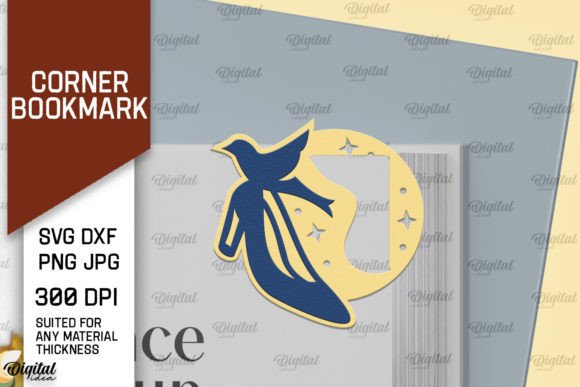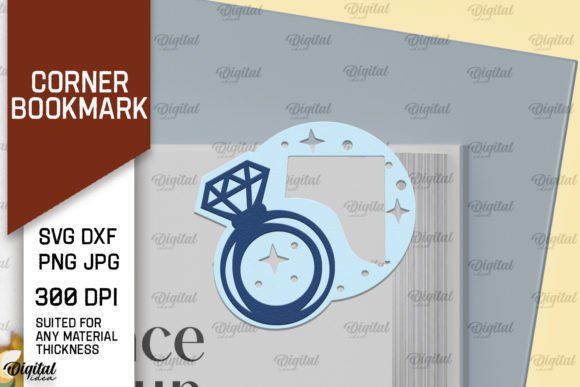
Ring Corner Bookmark Paper Cut: A Designer's Review
As someone who spends hours hunched over embroidery machines and digitizing screens, I approach every new machine embroidery design with a mix of curiosity and skepticism. We've all been there: you buy a file based on a pretty thumbnail, only to find the stitch count is bloated, the underlay is non-existent, or the details vanish once the needle hits the fabric. That is why I took a close look at the Ring Corner Bookmark Paper Cut before committing it to a client project. This isn't just about whether the image looks cute; it is about whether this 3D SVG asset can withstand the rigors of real-world production while maintaining its artistic integrity.
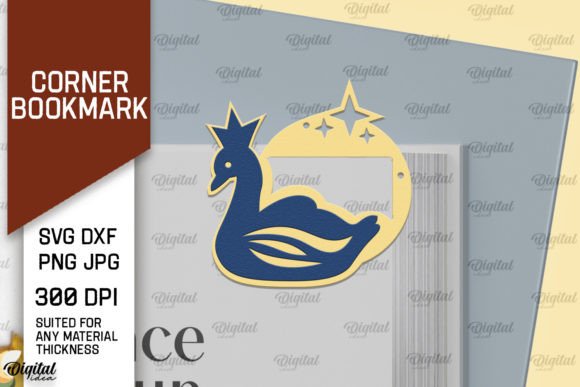
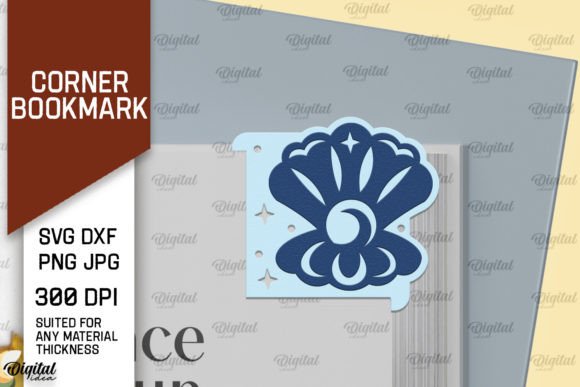
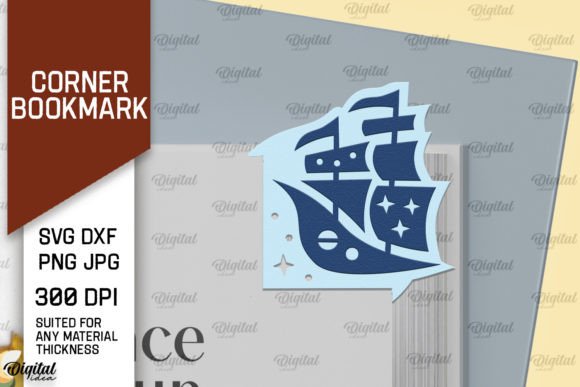
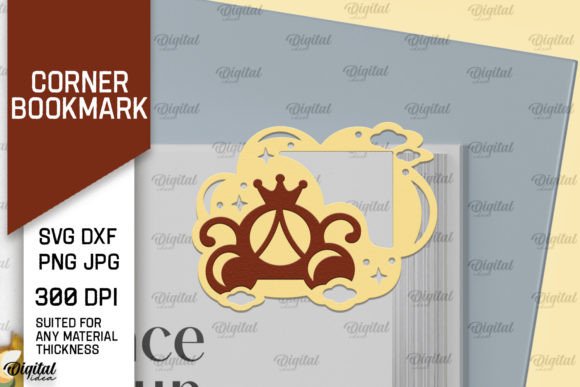
The first thing that strikes me about this design is its mood. It sits comfortably within the Shapes category but carries a distinct narrative weight. The "paper cut" aesthetic implies a layered, dimensional look that mimics the delicate art of papercrafting. When visualized as an embroidery project, this suggests a need for precise satin work and careful color blocking to achieve that shadowed, depth-filled appearance. For a designer, this is exciting because it moves beyond standard flat fills. It offers a chance to create a handmade product that feels tactile and sophisticated, rather than just a logo slapped onto a garment.
Real-World Application: The Boutique Tote Scenario
To truly evaluate the Ring Corner Bookmark Paper Cut, I imagined a specific scenario: a local bookstore owner wants a run of custom tote bags for an upcoming literary festival. They need something that screams "book lover" without being cliché. This design fits that brief perfectly. Imagine stitching this onto a heavy canvas tote bag design. The corner placement implied by the name suggests it would work beautifully near the bottom hem or tucked into a pocket seam, acting as a subtle accent rather than a dominating chest logo.
In this context, the visual personality of the design shines. It appeals to readers, librarians, and stationery enthusiasts. If I were selling this as a small shop product on Etsy, I would pair it with linen napkins or high-quality journal covers. The "bookmark" theme naturally lends itself to items associated with reading and quiet moments. For a personalized gift, adding a monogram adjacent to the ring element could elevate the perceived value significantly. Customers are willing to pay more for items that feel curated and thoughtful, and this design provides that boutique flair.
Navigating Fabric Textures and Stitch Clarity
However, enthusiasm must be tempered with technical reality. The "paper cut" style often relies on sharp angles and clean lines. When translating a digital embroidery file like this to physical thread, fabric texture becomes a critical variable. On a smooth, tight-weave cotton or a polished polyester blend, the satin stitch borders likely to be found in such a design will pop with clarity. But what happens on a fuzzy sweatshirt embroidery project or a textured waffle knit?
This is where the reviewer in me urges caution. If the design features tiny, intricate corners or very fine running stitch details, these can get lost in the pile of a fleece hoodie. Before running a full production batch, it is essential to test the design on scrap fabric that matches your final material. You need to verify if the stitch density is appropriate. Too dense, and the fabric will pucker, ruining the crisp "cut paper" illusion. Too sparse, and the backing might show through, making the product look cheap. For dark fabrics, ensure the digitizer has included sufficient underlay to prevent the garment color from bleeding through the lighter thread sections.
Commercial Viability and Brand Consistency
For Etsy sellers and craft business owners, consistency is key to building trust. If you plan to use the Ring Corner Bookmark Paper Cut across a range of products—say, from aprons to pillow covers—you need to ensure the scale remains consistent relative to the item size. A design that looks perfect on a tea towel might overwhelm a baby onesie. Speaking of baby embroidery, always check for small, detachable-looking elements if the end user is an infant, although embroidered threads are generally secure, the visual perception of safety matters to parents.
Furthermore, consider how this design affects your brand's visual appeal. Does it align with your existing catalog? If your shop specializes in rustic, farmhouse-style goods, this modern, geometric shape might feel out of place unless adapted with earthy thread colors. Conversely, for a brand focused on modern minimalism or literary chic, it is a home run. Using this design in printable mockups before listing can help you gauge customer reaction. High-quality previews that show the texture of the stitches can drastically improve buyer engagement and conversion rates.
Technical Considerations for the Embroiderer
Let's talk about the nitty-gritty of machine setup. Since this is categorized as a 3D SVG, it implies dimensionality. In embroidery terms, this often means managing jump stitches and trim points efficiently. A poorly optimized file can lead to excessive thread breaks and wasted time. While the product description notes this is a digital download containing a zip folder, it does not specify exact hoop sizes or stitch counts. This is a crucial gap you must fill before purchasing or stitching.
Always confirm the hoop size requirements. If the design is large, you might need a 5x7 or 6x10 hoop, which limits the garments you can decorate (caps and sleeves become tricky). If it is small, ensure the details aren't so minute that they require a specialized fine-gauge needle. Additionally, review the licensing terms carefully. Just because you bought the file doesn't automatically grant unlimited commercial embroidery rights. Some designers allow you to sell the finished physical item but prohibit reselling the digital file itself. Clarifying this protects your business from legal headaches down the road.
Stabilizer choice is another make-or-break factor. For a design relying on clean shapes, a cut-away stabilizer is often safer than tear-away, especially on stretchy fabrics like t-shirts or caps. This ensures the "paper cut" edges remain sharp after multiple washes. If you are attempting this on a curved surface like a cap, the distortion can warp the geometric lines. In such cases, using a topping might be necessary to keep the stitches sitting on top of the fabric texture rather than sinking in.
Final Verdict on Design Utility
The Ring Corner Bookmark Paper Cut holds significant promise for creators looking to expand their library with thematic, niche-specific assets. Its strength lies in its versatility for literary-themed merchandise, teacher gifts, and cozy home decor. However, its success depends entirely on the executor's attention to detail. It is not a "load and go" file for every situation. It demands respect for fabric choices, thread contrast, and stabilization methods.
If you are an apparel decorator looking to add unique design assets to your portfolio, this file is worth investigating, provided you do your due diligence on the technical specs. Test it on black and white backgrounds to check contrast. Inspect the small details under magnification. If the stitching holds up and the shapes remain crisp, you have a winner that can enhance your finished product lineup. Remember, the best embroidery designs are those that disappear into the quality of the final item, leaving the customer impressed by the craftsmanship rather than distracted by technical flaws. With the right preparation, this design can be that seamless addition to your creative toolkit.